Why enterprise architecture?
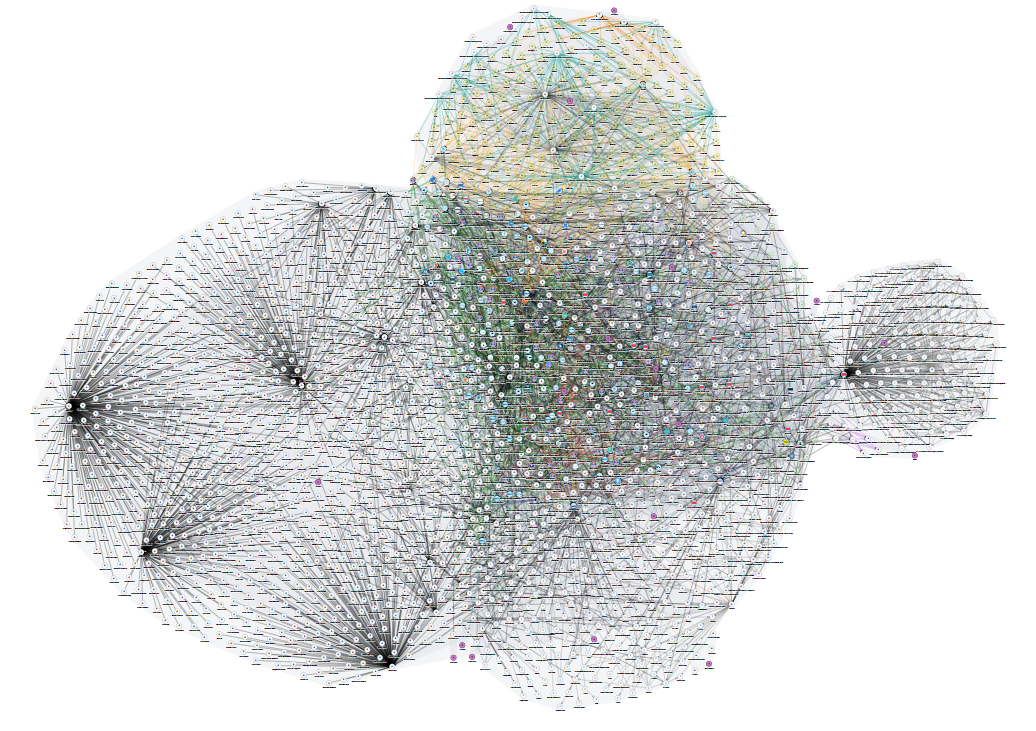
The complexity of both IT and business at the University continues to grow. Over 300 enterprise applications are integrated, utilising data to support services that are impacted by projects. All of these elements help realise the University's capabilities, and the University Strategies.
Change in this context can be difficult and time-consuming. Enterprise architecture maps out the University's current state, so that it is possible to move toward a future state, defined by the University Strategy.
Benefits
- Change happens faster: By knowing the current and future state, the University can understand the impact of change and plan a clear path for that change alongside any dependencies.
- Alignment with strategy: Everything the University does should align to the objectives for each strategy theme. Enterprise architecture shows how all IT and business activity (and the change associated) is linked to the objectives.
- Cost savings: Enterprise architecture highlights IT and business cost savings by highlighting any duplication and recommending efficiencies. Enterprise architecture helps standardise and re-use technology and business solutions.
- Collaboration: Enterprise architecture ensures better collaboration, especially around change between IT and business. It also helps embed the strategy and any associated change.
- Operational benefits: Awareness of the current state provides understanding of what is offered (such as an application catalogue), together with the status and impact of projects at the University. Having a single golden-source of data helps staff see gaps and highlight operational risks (such as single points of failure or missing documentation).
- Controlled change: The University is a complex modern enterprise. Enterprise architecture offers a structured and governed approach to ensure change is aligned with long term University Strategy.