Report and Support first report
This is the first Report and Support report, covering the period from November 2020 to May 2021.
Background
We value our students and staff and strive to provide an environment where everyone can excel and consequently benefit the global community. Our University Strategy states our aim to be a beacon for diversity and social responsibility. Part of these commitments include acknowledging that members of our community have been subjected to damaging effects of harassment, discrimination, sexual violence, and bullying behaviours. These behaviours are pervasive across the globe, in all facets of society, and our University is no exception. We recognize this reality and take our duty to protect our University community seriously, by regularly evaluating policies, procedures, and resources related to preventing and dealing with instances of negative behaviour and supporting wellbeing.
The implementation of this single reporting tool responds to calls from a wide range of students and staff including: the University’s Equally Safe Group, St Andrews Survivors, BAME Student Network, Disabled Students’ Network and Saints LGBT+ and others concerned about sexual violence, harassment, discrimination, and bullying behaviours. The Mental Health Taskforce, the Students Association, Student Services and the Suicide Safer Group also welcomed the tool as an additional resource for those seeking help for themselves or others in relation to wellbeing, mental health, and suicide.
Report and Support fulfils part of our commitment to the People Strategy Action Plan, namely, to listen to the different and diverse voices and encourage mutually supportive and collaborative engagement in building an environment where all can thrive.
In July 2020, the Principal’s Office approved the purchase of Report and Support to enable and encourage staff, students, and members of our wider community to report negative behaviour including bullying, harassment, discrimination and sexual violence and to report concerns about the safety and wellbeing of others.
Strategic and policy context and progress
The overarching objective of implementing Report and Support is to ensure members of our community are:
- Heard – staff will accept, and listen, openly and non-judgementally, to all reports.
- Safe – by working together to ensure responsive services.
- Valued - as co-creators of the University community - a place where everyone’s experience matters.
In the People Strategy consultation, we identified the need to empower staff and students to challenge inappropriate behaviours and to ensure staff and student wellbeing is robust. Over and above existing routes for raising issues of concern or making complaints, Report and Support adds to existing options for reporters and meets these strategic aims by:
- Facilitating the anonymised reporting of complaints and concerns.
- Requiring staff to respond swiftly and appropriately to reports that need prompt action.
- Collaboratively reviewing and assessing the impact of any action and intervention through the Report and Support Forum and regular Report and Support Reviews, of which this is the first.
- Developing consistent and evidence-based approaches to dealing with areas of concern from staff, students and the wider community.
The provision of information helps reporters to make an informed choice about how and what to report and also provides a central locus for the University community to find information about issues they are concerned about, and information about other external and internal mechanisms for raising concerns. Report and Support provides another entry point to existing services provided by Human Resources, Occupational Health and Student Services. Report and Support connects to a range of University policies that address negative behaviours and wellbeing concerns. These include:
- The policies relating to student Bullying/harassment and staff Dignity and Respect at Work which address intimidating, hostile, degrading, humiliating or offensive behaviour, which has the purpose or effect of violating a person’s dignity or creating an intimidating, hostile, degrading, or humiliating environment. Harassment is unwanted conduct related to a relevant protected characteristic that has the purpose or effect of violating a person’s dignity or creating an intimidating, hostile, degrading, humiliating or offensive environment for that person. The unwanted conduct may be physical, verbal, or non-verbal.
- Sexual Misconduct (students) and (staff) which addresses harassment and unacceptable behaviour of a sexual nature. It can include sexual harassment; sexual violence; intimate partner violence; sexual assault; grooming; coercion or bullying with sexual elements; sexual invitations and demands; comments; non-verbal communication; creation of atmospheres of discomfort; and promised resources or advancement in exchange for sexual access.
- Safeguarding: intends to protect children and vulnerable adults who are at risk of harm, abuse, neglect, exploitation, discrimination or being drawn into radicalisation. A child is someone under the age of 18. A vulnerable adult is someone who is unable to safeguard their own interests and is at risk of harm because they are affected by a disability, mental or physical disorder or illness. Members of the University and our wider community will include children and vulnerable adults. Some students and apprentices are under 18. All members of the University community have an essential role to play in ensuring that children and vulnerable adults are protected.
- The Mental Health Strategy promotes positive mental health and wellbeing, seeking to support each other in the creation of a healthy, well informed and compassionate working environment in which students and staff can fulfil their potential. Facilitating the disclosure of distress and concerns, helps suicide prevention and is recommended by UUK Suicide Prevention guidance (page 17).
- The Complaints Handling Procedure which addresses bullying, harassment, employee relations, other relations, and sexual misconduct. The Resolution Policy offers an alternative, informal approach to dispute resolution for those who do not want to use the route of formal Complaint.
More information related to these and other reporting categories can be found on the Report and Support support pages.
Data insights from 5 November 2020 to 5 May 2021
From the launch of Report and Support on the 5th November, until the 5th May, a total of 122 reports were received. Reports were from staff, post-graduate students, undergraduate students, and wider community members.
The data gathered includes reports from anonymous and named sources that were made through Report and Support and does not include reports made directly to Student Services, Conduct or Human Resources.
The pandemic restrictions which required many students and staff to stay at home, and restricted socialising opportunities, may have affected the number of reports.
There is limited equality monitoring data with a number of reporting parties choosing to withhold this information.
Of reports received, 66% were made anonymously and 34% with a named reporter. Students submitted most reports in both categories (88% of anonymous reports and 78% of named reports).
Chart 1: What are people reporting?
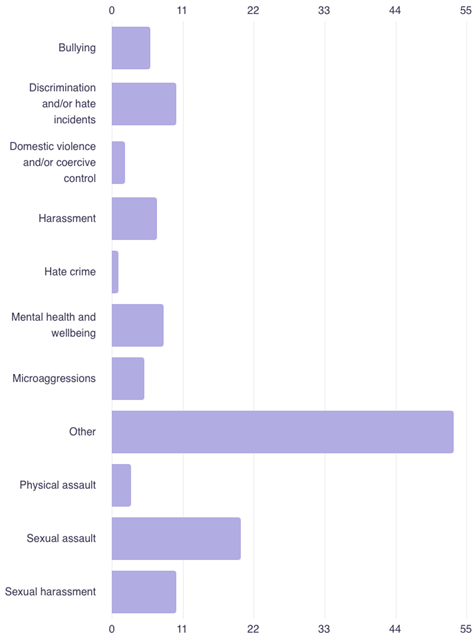
Chart 2: What happened to reported cases?
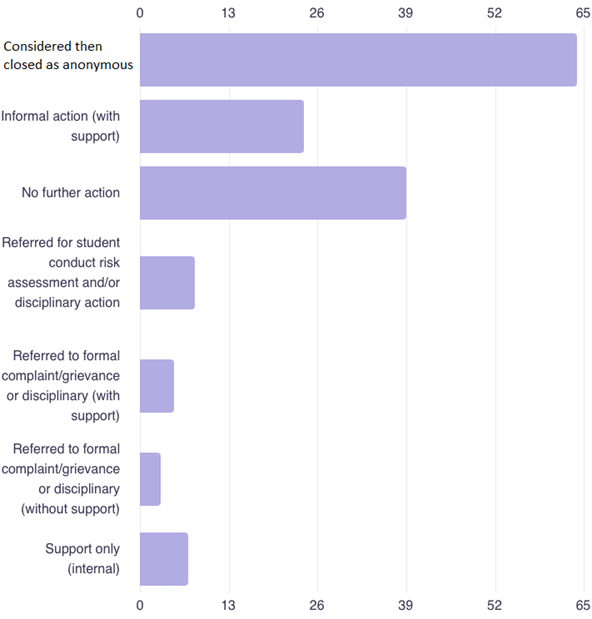
Chart 3: Who's reporting?
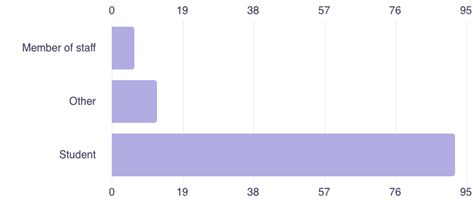
Chart 4: Which areas of the University are reporters associated with/from?
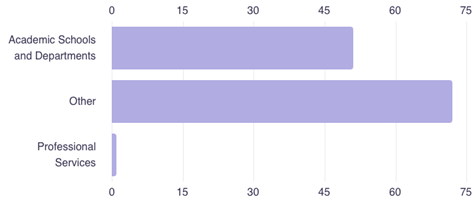
Chart 5: Which genders are reporting?
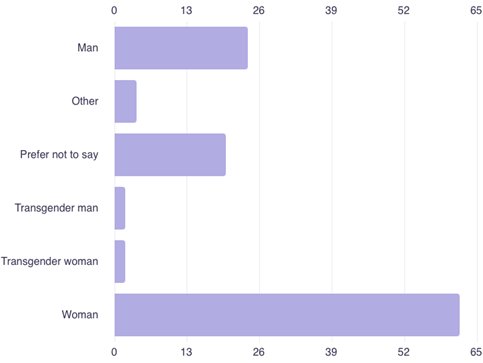
Chart 6: Which sexual identities are reporting?
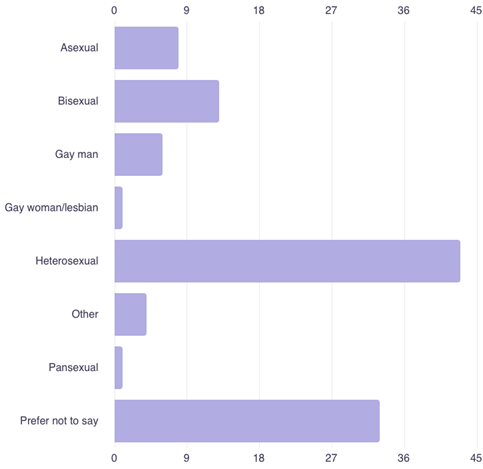
Chart 7: Do the reporters identify with any disabilities?
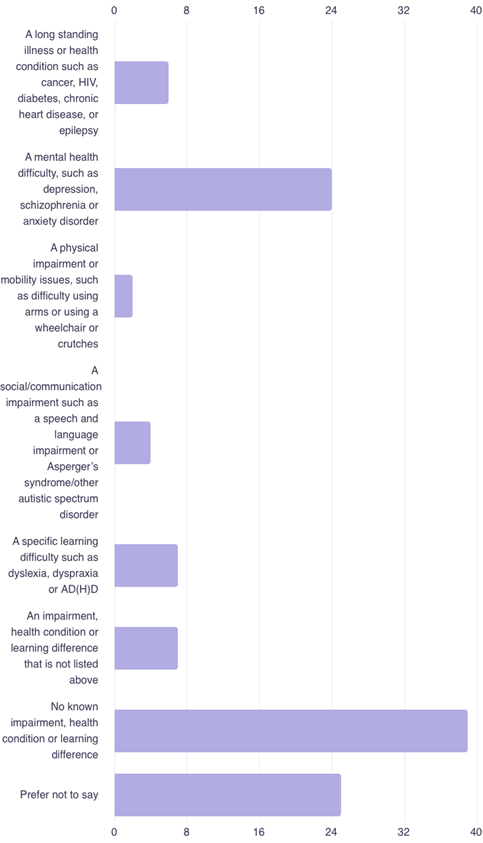
Chart 8: What are the faiths/religions of the reporters?
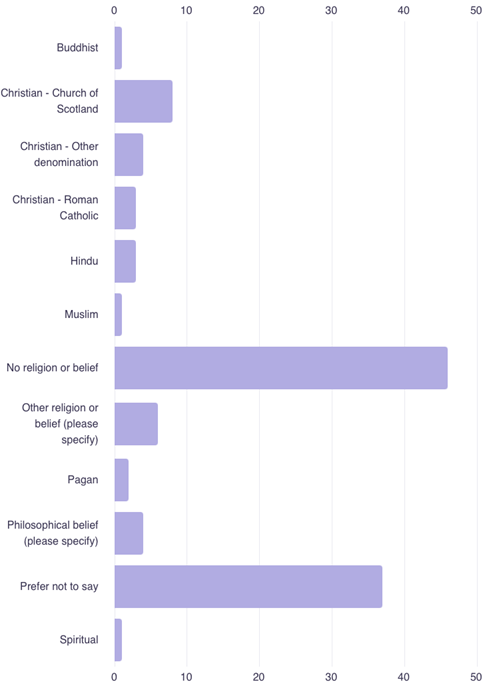
Chart 9: What are the ages of the reporters?
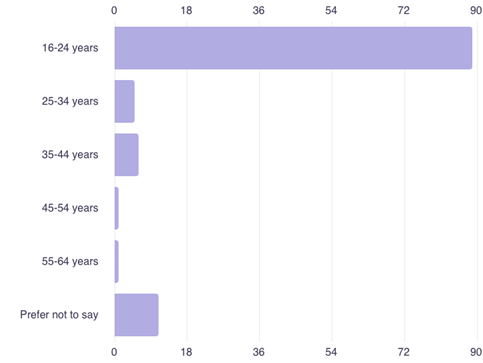
Chart 10: Which races/ethnicities are reporting?
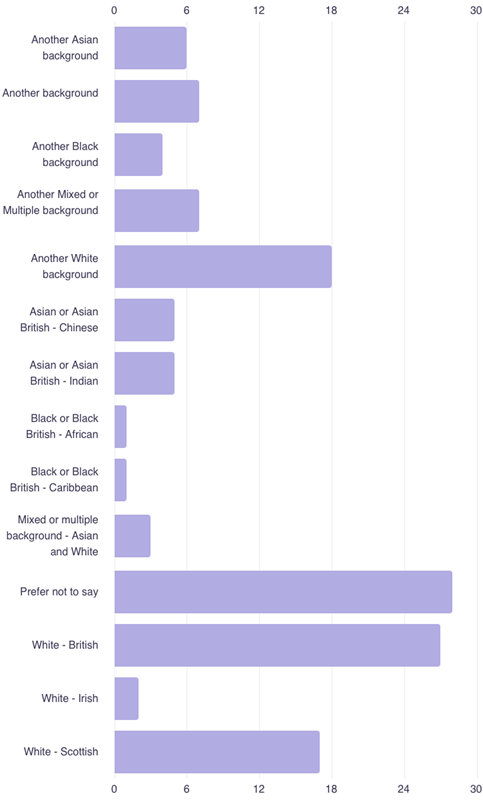
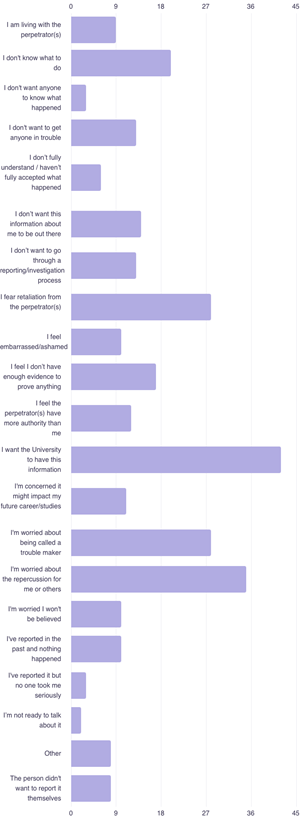
Chart 11: Why are people reporting anonymously?
Data observations
The category of ‘other’, in Chart 1 accounted for the largest number of reports as it included reports related to breaches of the Coronavirus pandemic restrictions.
Chart 2 reflects that most reports were closed as anonymous. The Summary of Actions section explains the rationale for responding to anonymous reports.
We deeply regret that Judaism was inadvertently omitted from the list in Chart 8. This has been rectified.
In Chart 11 - Why are people reporting anonymously? - reporters can select multiple options in responding to this question. The most frequently cited reason for reporting anonymously was that the reporter wanted the University to have this information.
Summary of Actions taken
A Report and Support Forum has been established, comprising a range of student representation, staff from Human Resources, Conduct, Student Services, colleagues working with the local community, and convened by Ruth Unsworth, Chair of the University-wide Equally Safe Group and Mental Health Task Force. The forum considers best ways to address operational issues and ensures a consistency of approach to better understand the data insights and produce recommendations for action.
The forum acknowledged the need to further advertise the existence of the reporting tool, to ensure that everyone in our community knows about Report and Support. The Forum welcomed students’ suggestions to amend the Support pages by including short video clips describing the process of reporting with contact details and anonymously to improve confidence in reporting.
Staff responded according to the wishes of reporters whenever contact details were provided. This included offering or arranging support, and giving guidance on the formal reporting process, or both.
Human Resources (HR) have reflected that a small increase in students reporting incidents against staff may indicate that this tool provides ease of reporting and heightened awareness.
When an anonymous reporter names someone or provides another form of identifying characteristic, staff are concerned to meet both the institutional duty of care and to undertake risk assessments in compliance of data protection towards all parties, i.e. the reporter and those reported. Staff, therefore, after risk assessment, as a preventative action, may inform a relevant colleague with responsibility, e.g. a line manager or warden, unless doing so compromises safeguarding. All staff responding to these reports have adopted an approach of regular review and reflection to ensure responses are appropriate, sensitive, and effective.
Action plan for 2021 and 2022
To effectively interrogate this baseline data, the Forum will meet and listen to the different voices and perspectives of both students and staff.
The Forum will raise awareness of the tool and build confidence in using it. We will do this by:
- Supplementing the Report and Support Webpages by student-led engagement with social media posts that explain how to make a report and what happens to reports after they have been submitted.
- Embedding information about Report and Support in student orientation and staff inductions.
- Exploring adding Report and Support to other webpages and events to highlight the tool.
The Equally Safe Group will lead a pilot of The Emily Test, a Gender-based Violence Charter that aims to improve prevention, intervention and support concerning gender-based violence (GBV) in further and higher education. A series of student/staff Focus Groups will be conducted to consider the Charter standards in relation to University policies and provision including Report and Support. This pilot will conclude in November of 2021.
How to get involved
The Report and Support Forum invites conversations with students and staff to improve understanding of barriers to reporting negative behaviour or wellbeing concerns. Email your views to reportandsupport@st-andrews.ac.uk. Also, get in touch if you are interested in joining the Forum to:
- Reflect on the values of equality and inclusion that have driven the implementation of Report and Support.
- Help us to listen, reflect and understand student and staff concerns.
- Encourage all members of the community to continue reporting and to understand that anonymous reporting improves understanding but limits possible actions.
- Encourage reporters to report with names, but in confidence.