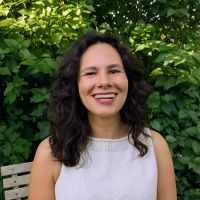
Ayesha Purcell
Home country: United Kingdom
Subject of study: MA Hons Medieval History and Archaeology
Year of graduation: 2018
Type/Level of study: Undergraduate
I accepted my place at St Andrews before I'd even visited, because I was enchanted with an image of crimson cloaks, crashing waves and students sprawled out in Sallie’s Quad. It's the best decision I ever made. From hiking in the Cairngorms and the Isle of Skye with Breakaway, to library days broken up with walks on the beach and nights out at the Union, it was the best university experience I could have hoped for. I've been to other universities since, and nowhere did I ever feel as encouraged to discover more about the world or supported to discover new things about myself.
What did you most enjoy about your degree programme?Tutorials with tutors who helped you to explore uncertainty and the unknown, to follow the threads of great thinkers and new scholarship and how to hone the sharp edge of a new idea. Whether I'm sifting through demographic data and stakeholder consultations, trying to find the connections between government policy and local strategies, or working with a client to help them reimagine social impact, I can feel the same muscles I was taught to use in tutorials and essays at St Andrews coming into their own. The spirit of inquiry, confidence to embrace 'critical friends' and determination to produce work you're really proud of never leaves.
What have you been doing since graduating from St Andrews, and what are you doing now?After leaving St Andrews, I completed an MPhil in Classical Archaeology at the University of Oxford. Since then, I have worked in archaeology, first as a field archaeologist and then moving into community engagement. I now lead a department to deliver community engagement and social value programmes on national infrastructure, commercial developments and grant-funded projects. This is part of the planning process, as developers are required to record and fund community engagement for archaeology that will be affected by the development. This can look like anything from training and skills programmes for people in areas with skills shortages to artists' residencies for local creatives to social prescribing to tackle health inequalities.
Why did you choose this career? What do you enjoy most about your work?I believe archaeology belongs to all of us. It helps us understand who we are, where we come from and how we relate to each other. This means it has the power to help us navigate our complex and challenging world, from understanding climate change to how our North Atlantic archipelago has been home to people from all over the world for thousands of years. Archaeological community engagement and social value projects allow us to draw out those benefits for local communities in a way that makes a tangible, positive impact.
Looking back, which academic experiences or insights from your studies at the University of St Andrews have proven most valuable in your career journey?St Andrews helped me to discover that I could be brave. With the support of Student Services, the inspiration of our tutors and the energy of the student community, I found that I could tackle things I would never have thought possible.
What advice would you give to current and future students?Throw yourself in. Try new things. Don't be afraid to fail, or to start again.